Sarah Mitchell
The hedge shaping process was explained in detail before they started. I appreciated the time they took to align everything.

Achieving a clean, manicured look for your hedges involves careful planning and consistent technique. GreenGuard focuses on structured approaches that define clear lines, balanced proportions, and intentional forms. Whether you prefer geometric shapes or flowing curves, each session follows a set of established steps to refine plant structure while respecting natural growth patterns.
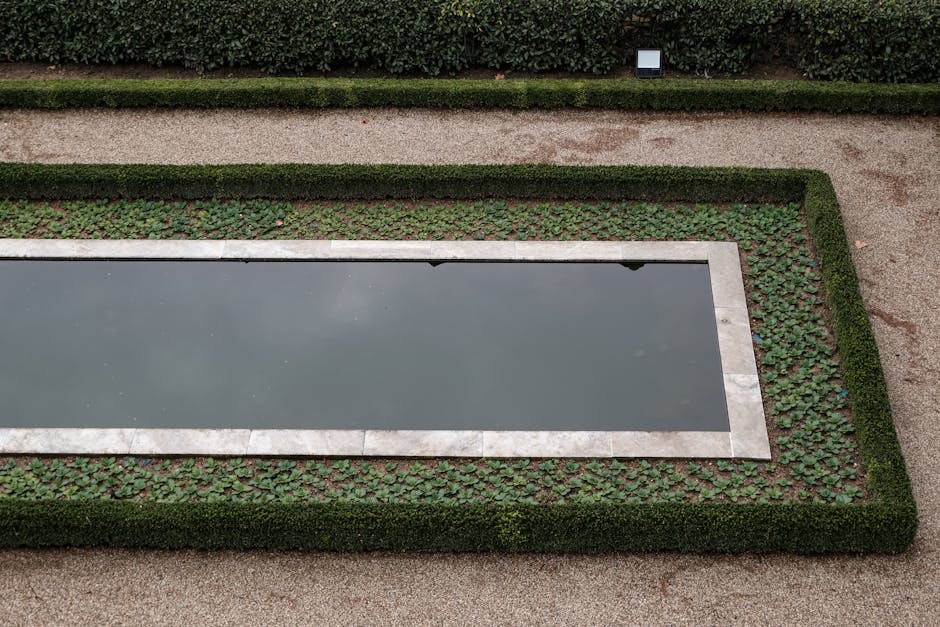
At GreenGuard, hedge shaping is treated as a systematic process rather than a single cut. We begin by assessing the hedge’s current form, species, and growth habits. Tools are selected based on branch thickness and desired precision — hand shears for delicate work, electric trimmers for long straight lines. Each plan outlines a sequence of cuts that removes stray growth, establishes vertical and horizontal planes, and gradually builds the intended silhouette. Regular maintenance intervals help sustain the shape without stressing the plant. This method ensures consistency from one session to the next.
The hedge shaping process was explained in detail before they started. I appreciated the time they took to align everything.
GreenGuard’s step-by-step method gave our hedges a clean, tidy appearance. The attention to straight lines was noticeable.
They showed me the tools and techniques used for shaping. The result was exactly the manicured look I wanted.
Hedge shaping relies on a set of specialized tools and repeatable techniques. Hand shears allow for fine adjustments on small leaves and soft growth. Electric trimmers are used for larger surfaces where speed and evenness matter. String lines and levels help maintain consistent height and width across long hedges. Pruning saws handle thicker branches that might disrupt a smooth outline. Each tool is cleaned and calibrated before use to ensure clean cuts that heal faster. The choice of technique depends on the plant type, season, and desired final form.
Evaluate hedge size, species, and existing shape to determine approach.
Remove major outgrowths and establish basic vertical and horizontal planes.
Refine edges and corners using hand shears for precision lines.
Collect clippings, check symmetry, and note growth for next session.
Preserving a shaped hedge requires periodic attention between major shaping appointments. Light trimming of new growth every few weeks helps maintain defined lines. During active growth seasons, check for uneven sprouts or branches that reach beyond the intended silhouette. Watering and mulching support overall plant health, which influences how cleanly the hedge holds its form. Avoid heavy pruning in late fall, as cuts may not heal before winter. A simple visual inspection after each mowing or rain can reveal minor deviations that are easy to correct early.